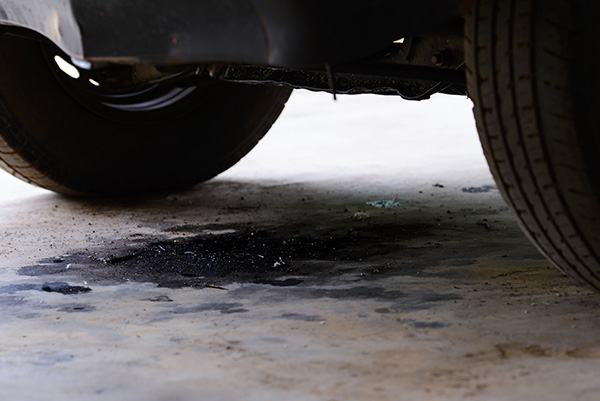
Oil leaks rarely start as a dramatic mess. More often, you notice a small spot where you park, a faint burnt-oil smell after a drive, or a little smoke curling up near the back of the engine. The tricky part is that oil can travel, so the puddle on the driveway doesn’t always point to the exact part that’s leaking.
If you know the usual leak spots, you can catch it sooner and avoid the kind of leak that turns into low oil level, belt damage, or a bigger cleanup than you ever wanted.
1. Valve Cover Gaskets And Plug Well Seals
Valve cover gaskets are one of the most common sources of oil seepage, especially as rubber ages and heat cycles harden it. You may see oil staining along the edge of the valve cover, or smell oil burning when it drips onto a hot exhaust surface.
On some engines, oil also leaks into the spark plug wells, which can cause misfires or rough running. We’ve seen plenty of “small” valve cover leaks turn into a smoky, smelly problem just because the drip lands in the wrong place.
2. Oil Filter Housing And Oil Cooler Seals
This leak is sneaky because it often looks like oil is coming from everywhere. The oil filter housing area is usually tucked against the engine, and when its gasket or O-ring starts seeping, oil runs down the block and collects low. Some vehicles also have an oil cooler attached in this area, and those seals can seep too, especially after years of heat.
If you see oil pooled under the filter area right after an oil change, it could be a simple sealing issue, or it could be a housing gasket starting to fail.
3. Oil Pan Gasket And Drain Plug Sealing Surface
If the puddle is centered under the engine and shows up after the car sits, the oil pan area is always worth checking. Sometimes it’s the oil pan gasket itself, and sometimes it’s the drain plug sealing surface or the crush washer not sealing correctly.
A drain plug can also be slightly damaged from over-tightening, which creates a slow drip that’s easy to miss until the driveway tells on you. Oil pans also take hits from road debris, and a small dent near the sealing surface can make a gasket struggle to hold.
4. Front Crank Seal And Timing Cover Seepage
Oil at the front of the engine can come from a front crankshaft seal or from timing cover sealing surfaces. When this area leaks, oil can spray around the engine bay and land on belts, pulleys, and lower covers. That’s one reason we don’t love waiting on front-of-engine leaks.
Oil-soaked belts can slip, squeal, or deteriorate faster than they should, and the leak can look worse than it is because airflow spreads it. If you see oil misting or heavy grime buildup near the crank pulley area, this spot deserves attention.
5. Rear Main Seal Leaks That Drip From The Bellhousing
A rear main seal leak is one of the classic “puddle in the driveway” culprits, and it often shows up as oil dripping where the engine meets the transmission. Because it’s tucked inside that connection, it can be hard to confirm without a good inspection, and sometimes other leaks mimic it by running rearward.
A rear main leak often leaves wetness around the lower bellhousing area and may drip more after longer drives when the oil is hot and thin. If you’re seeing oil in that area, it’s smart to verify the source early, since repairs can get more involved if it’s truly the rear main.
6. PCV System Problems That Push Oil Out Of Seals
Sometimes the leak isn’t just a bad gasket; it’s pressure. If the PCV system isn’t venting crankcase pressure correctly, oil can get pushed past seals that would otherwise hold. You might notice multiple small leaks, fresh seepage after other repairs, or oil in places that don’t match one obvious gasket failure.
Another clue is oil residue around breather hoses or inside intake tubing, depending on the setup. Our technicians often check crankcase ventilation when leaks seem to pop up in clusters, because fixing the pressure problem can help the repair actually last.
7. Oil Pressure Sender, Adapter, And Small Seals That Drip Big
Oil pressure sensors and their adapters can leak more than you’d expect for a small part. When they seep, oil often runs down the engine and collects on lower surfaces, which makes the leak look like it’s coming from somewhere deeper. Because these parts can sit near oil galleries and high-flow areas, a small seal failure can create a steady drip.
If you’re seeing fresh oil trails that start higher on the engine and run downward, a sender or small adapter seal is a common suspect.
Get Oil Leak Repair in Visalia, CA with DS Auto Experts
If you’re finding oil spots where you park, smelling oil after driving, or noticing grime building up around the engine, it’s worth tracking down the source before it grows. We’ll inspect the common leak points, confirm what’s actually leaking, and recommend the repair that makes sense for your engine and your budget.
Get oil leak repair in Visalia, CA with DS Auto Experts, and we’ll help you keep your engine clean, protected, and reliable.