Posted on 8/28/2026

Crossing a state line may feel no different from an ordinary highway drive, but the trip can expose problems that remain hidden during short local travel. Higher speeds, longer operating time, changing weather, mountain grades, unfamiliar roads, and limited access to repair facilities all place additional demands on the vehicle and driver. A few checks before departure can prevent avoidable delays, roadside stops, and unexpected expenses. The goal is to confirm that the vehicle is prepared, required documents are accessible, and the route does not contain surprises that could have been handled before leaving. 1. Confirm Your Registration And Insurance Are Current Keep the vehicle registration and current proof of insurance where they can be reached easily. Digital insurance cards are accepted in many places, but a paper copy remains useful when a phone is dead, damaged, or unable to connect. Make sure the name, vehicle information, and policy dates are correct. Dri ... read more
Posted on 7/31/2026

A crooked steering wheel is one of those problems that can be easy to live with for a while. The car still goes down the road, you hold the wheel a little to the left or right, and after a few days it almost starts to feel normal. It is not normal, though. When the steering wheel is off-center while the vehicle is driving straight, something in the tire, alignment, steering, or suspension setup is no longer sitting the way it should. Sometimes it happens after one hard pothole hit. Other times it creeps in slowly as parts wear and the tires start telling the story. The Alignment Is Usually The First Place To Look Wheel alignment controls the angles at which the tires contact the road. If those angles move out of specification, the steering wheel may no longer sit straight, even though the car is tracking straight ahead. This can happen after hitting a curb, driving over rough roads, replacing suspension parts, or simply driving long enough for wear to build in the ... read more
Posted on 6/26/2026
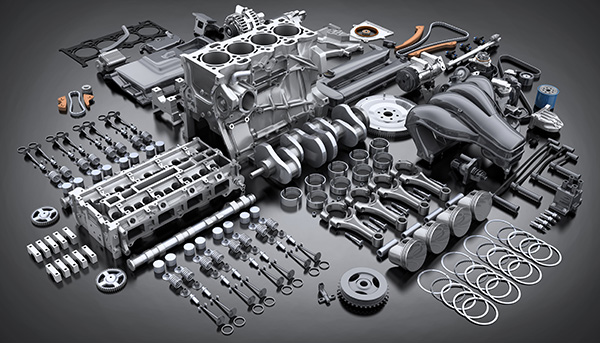
Engine problems can put drivers in a tough spot. One shop visit turns into a serious conversation about internal damage, overheating, low compression, knocking, oil pressure loss, or metal in the oil. At that point, the question is no longer whether the engine needs attention. The repair path makes the most sense. An engine rebuild and an engine replacement can both be good options, but they solve the problem in different ways. The right choice depends on the damage, the vehicle’s condition, parts availability, budget, and how long you plan to keep driving it. What An Engine Rebuild Means An engine rebuild means the existing engine is taken apart, inspected, machined when needed, and repaired with new or reconditioned parts. The goal is to correct internal wear or damage while keeping the original engine block, cylinder head, and other usable parts when they are still in good condition. A rebuild can include piston rings, bearings, gaskets, seals, timing comp ... read more
Posted on 5/29/2026
A check engine light can feel frustrating when your Nissan still starts, drives, and sounds fairly normal. The warning does not always come with shaking, stalling, or a clear change from behind the wheel. That makes it easy to put off, especially when life is busy, and the car still gets you where you need to go. Still, that light is there because the vehicle’s computer has seen something outside its expected range. The cause might be simple, but it should not be ignored. Why Your Nissan Turns The Check Engine Light On Your Nissan uses sensors and control modules to monitor engine performance, emissions, fuel mixture, ignition, airflow, and more. When a reading moves too far from its expected range, the computer stores a trouble code and turns on the check engine light. That code is a starting point, not the full repair answer. It tells a technician which system noticed the problem, but it does not always name the failed part. A proper inspection is what conn ... read more
Posted on 4/30/2026
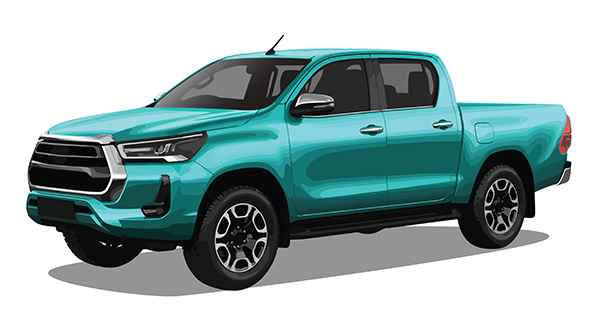
Toyota Tacomas have a reputation for being tough and dependable, which is part of why small issues tend to get overlooked. The truck still runs, still drives well, and still handles daily use without much complaint. That can make it easier to delay repairs than on other vehicles. The downside is that some common Tacoma issues build quietly. By the time they become obvious, more than one component may already be affected. 1. Frame Rust And Undercarriage Corrosion Older Tacoma models are well known for frame corrosion concerns. Even on newer trucks, rust can still develop under the hood if the vehicle is exposed to moisture, road salt, or off-road use. Surface rust may not look serious at first, but it can spread and weaken structural areas over time. Regular inspection of the undercarriage helps catch corrosion early, before it becomes a larger structural issue. 2. Suspension Wear And Ride Changes Tacomas are often used for hauling, towing, or dri ... read more