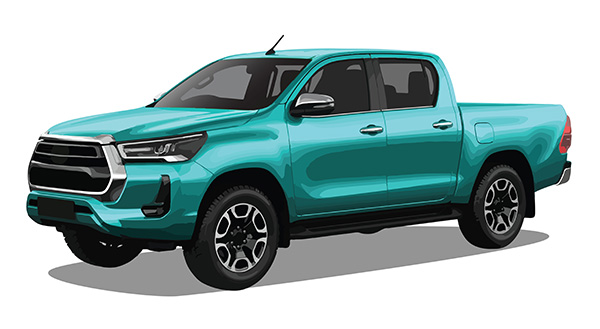
Toyota Tacomas have a reputation for being tough and dependable, which is part of why small issues tend to get overlooked. The truck still runs, still drives well, and still handles daily use without much complaint. That can make it easier to delay repairs than on other vehicles.
The downside is that some common Tacoma issues build quietly. By the time they become obvious, more than one component may already be affected.
1. Frame Rust And Undercarriage Corrosion
Older Tacoma models are well known for frame corrosion concerns. Even on newer trucks, rust can still develop under the hood if the vehicle is exposed to moisture, road salt, or off-road use.
Surface rust may not look serious at first, but it can spread and weaken structural areas over time. Regular inspection of the undercarriage helps catch corrosion early, before it becomes a larger structural issue.
2. Suspension Wear And Ride Changes
Tacomas are often used for hauling, towing, or driving on rough terrain. That kind of use puts extra stress on suspension components like bushings, shocks, and control arms.
Drivers may notice a rougher ride, clunking over bumps, or the truck feeling less stable than it used to. These changes can affect tire wear and handling if ignored. Keeping up with regular maintenance checks helps identify worn suspension parts before they affect other systems.
3. Transmission Hesitation Or Rough Shifting
Some Tacoma owners report delayed shifting or hesitation when accelerating. It may feel like the truck pauses before changing gears or shifts harder than expected.
That kind of behavior can be tied to a fluid condition, software behavior, or early wear inside the transmission. An early inspection can help determine whether the issue is minor or warrants closer attention before it worsens.
4. Brake Wear And Pulsation
Brake components on a Tacoma wear out quickly, especially if the truck is used for towing or driving in traffic. Over time, pads and rotors can wear unevenly, leading to vibration when slowing down or a less consistent braking feel.
Drivers sometimes continue driving with this because the truck still stops. That can lead to more wear across the brake system. Addressing it early helps keep the repair more straightforward.
5. Cooling System Issues And Overheating Risk
Cooling systems on trucks that are heavily used can develop problems over time. Radiators, water pumps, and hoses can all wear down or begin leaking.
A small drop in coolant level or a slight temperature increase may not seem urgent, but if ignored, it can lead to overheating. An inspection helps confirm whether the system is holding pressure and circulating coolant correctly.
6. Check Engine Light From Sensor Or Emissions Issues
Tacomas, like most modern vehicles, rely on sensors and emissions components to keep the engine running efficiently. A check engine light can come on due to oxygen or airflow sensors or an EVAP system fault.
The truck may still drive normally, which is why many drivers delay it. That light still means the system detected something out of range. Waiting can allow a simple issue to develop into a more involved repair.
7. Wheel Bearing Noise And Road Vibration
A humming or growling noise at highway speeds can point to a worn wheel bearing. This is sometimes mistaken for tire noise, especially if the sound changes slightly with speed or road conditions.
As the bearing wears further, the noise becomes more noticeable and can eventually affect drivability. Catching it early keeps the repair limited to the bearing instead of allowing more components to be affected.
Why These Issues Get More Expensive When Ignored
None of these problems usually starts as a major failure. That is why they are easy to push aside. The truck still works, so the urgency feels low. The longer they sit, the more they affect the surrounding parts.
A suspension issue can lead to tire wear. A cooling issue can affect engine components. A brake problem can spread to rotors and calipers. Staying ahead of these changes keeps repairs more controlled and predictable.
Regular maintenance plays a big role here, especially for trucks that see heavy use. A routine inspection can catch patterns before they turn into larger problems.
When To Have Your Tacoma Checked
If your Tacoma has started making new noises, shifting differently, or showing changes in performance, it is worth getting it looked at sooner rather than later. Waiting for a clear failure usually means the repair has already grown.
Even if the issue seems small or inconsistent, it still points to a change in the vehicle. Early attention helps keep the repair focused and prevents extra wear from building around it.
Get Toyota Tacoma Repair In Visalia, CA, With DS Auto Experts
If your Tacoma shows signs such as suspension noise, shifting hesitation, or warning lights, DS Auto Experts in Visalia, CA, can perform an inspection to help identify the cause before it becomes a more expensive repair.
Bringing it in early gives you a better chance of keeping the fix simple and your truck ready for daily use.