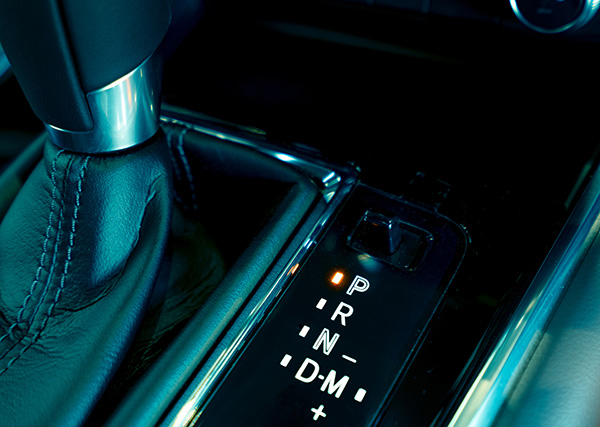
That sudden jolt when you move the shifter from Park to Drive can be pretty unsettling. Sometimes it feels like the whole car lurches, other times, you hear a sharp clunk along with the movement.
Even if the car still drives, that kind of behavior usually means something in the drivetrain is taking up too much slack or engaging harder than it should.
What “Jerking” From Park to Drive Feels Like
Drivers describe this problem in a few different ways. You might feel a single, solid bump right as you select Drive, as if someone lightly tapped the back of the car. In other cases, the car may roll slightly, then suddenly catch with a jolt when the gear engages.
Sometimes the jerk is strongest after the vehicle has been sitting for a while or first thing in the morning, and it can be milder once everything warms up. If you also hear a clunk, thud, or metallic knock in that moment, it is a strong sign that there is extra play somewhere in the transmission, mounts, or driveline.
Common Drivetrain Components Involved When You Shift
That jerking sensation is not usually coming from just one piece. Several components move together when you go from Park to Drive. The transmission engages a gear, clutches or bands apply, mounts try to hold the unit in place, and axles or driveshafts take up slack. Any extra movement in that chain can turn into a jolt you feel in the cabin.
Worn or soft engine and transmission mounts can let the whole powertrain twist when the gear engages, which shows up as a noticeable bump. Excessive play in CV joints, U-joints, or differential gears can also cause a delay followed by a clunk as the slack suddenly tightens. Our technicians often see a combination of slightly worn parts that add up to a very obvious jerk at the shifter.
Transmission Problems That Can Cause a Hard Engagement
Inside the transmission, several issues can make the shift from Park to Drive feel harsh. Some of the more common ones include:
- Low or worn transmission fluid that changes how quickly clutches apply
- Internal wear in clutch packs or bands that makes them grab instead of engaging smoothly
- Valve body problems that send fluid pressure to the wrong place or at the wrong time
- A sticking pressure control solenoid that causes an abrupt rise in line pressure
- A worn or broken transmission mount that lets the unit move when the gear engages
From the driver’s seat, these problems feel like a sharp bump when you select Drive, sometimes with a delay between moving the shifter and feeling the gear catch. If the shifts between gears while driving are also harsh or late, that points even more strongly toward an internal transmission concern.
Engine and Mount Issues That Show Up When You Shift Into Drive
Not every jerk is the transmission’s fault. Worn engine or transmission mounts are very common and can make normal gear engagement feel much more dramatic. When the rubber in the mount cracks, collapses, or separates, the engine and transmission can rock far more than they should whenever the drivetrain loads or unloads.
A rough idle can make things worse. If the engine is already shaking from misfires, dirty throttle components, or vacuum leaks, selecting Drive adds extra load, and that shake can turn into a lurch. You might notice the whole car shuddering as you hold the brake in gear, then feeling a strong bump as you move back to Park or Reverse. Checking mounts and basic engine health is always part of a proper jerking complaint inspection.
Simple Patterns Everybody Can Notice
You do not need tools to gather helpful information, just pay attention to when and how the jerk happens. Useful details include:
- Does it jerk every time you go from Park to Drive, or only after the car has sat for a while?
- Is the jolt stronger on hills when the car is pointed uphill or downhill?
- Do you feel it more in the seat, the steering wheel, or through the floor?
- Does it also clunk when you shift between Drive and Reverse, or only into Drive?
- Are there any warning lights on, new vibrations while driving, or delays going into gear?
Sharing this kind of information helps a technician narrow the search quickly, which usually means a faster, more accurate diagnosis.
Why Prompt Diagnosis Matters With Jerking or Clunks
A small jerk or clunk might be easy to live with at first, but it is often a sign that parts are wearing faster than they should. Extra movement from bad mounts can stress hoses, wiring, and exhaust components over time. Excessive play in driveline parts can damage splines, yokes, or differential gears if they are allowed to hammer back and forth.
If internal transmission wear is involved, every harsh engagement sends more debris into the fluid and puts more heat into already stressed parts. Dealing with the problem early can mean the difference between replacing mounts or serviceable components and facing a much larger transmission repair later. When we drive a car with a complaint like this, we treat it as an early warning that deserves attention, not just background noise.
Get Transmission and Drivetrain Repair in Visalia, CA with DS Auto Experts
We can test your vehicle, inspect mounts and driveline parts, and evaluate transmission operation so you know exactly why the car jerks when you shift from Park to Drive. We explain what is wearing, how serious it is, and the most sensible repair plan to get your gear engagement feeling smooth again.
Call DS Auto Experts in Visalia, CA, to schedule a transmission and drivetrain inspection before that jolt turns into a bigger problem.