Engine problems can put drivers in a tough spot. One shop visit turns into a serious conversation about internal damage, overheating, low compression, knocking, oil pressure loss, or metal in the oil. At that point, the question is no longer whether the engine needs attention. The repair path makes the most sense.
An engine rebuild and an engine replacement can both be good options, but they solve the problem in different ways. The right choice depends on the damage, the vehicle’s condition, parts availability, budget, and how long you plan to keep driving it.
What An Engine Rebuild Means
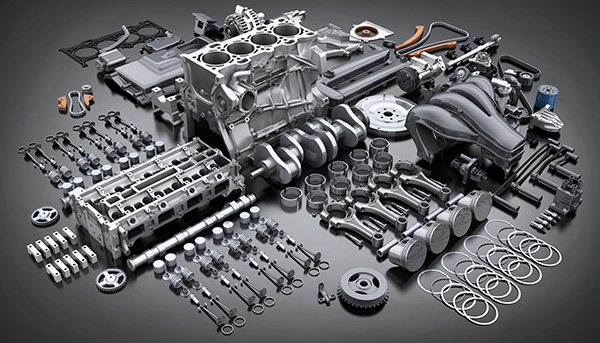
An engine rebuild means the existing engine is taken apart, inspected, machined when needed, and repaired with new or reconditioned parts. The goal is to correct internal wear or damage while keeping the original engine block, cylinder head, and other usable parts when they are still in good condition.
A rebuild can include piston rings, bearings, gaskets, seals, timing components, valves, machining, and other internal work. The exact scope depends on what the inspection finds once the engine is opened. That is the part drivers need to understand. A rebuild estimate can change if more serious damage shows up after disassembly.
What Engine Replacement Means
Engine replacement involves removing the damaged engine and installing another. That replacement may be new, remanufactured, rebuilt, or used, depending on the vehicle and the repair plan. Each option comes with different costs, warranty coverage, and risk.
A replacement engine can be the cleaner choice when the original engine has severe damage or would cost too much to repair properly. It can also reduce uncertainty if the replacement comes from a trusted source with testing and warranty support. The vehicle still needs the surrounding systems checked, as the replacement engine depends on a functioning cooling, fuel, electrical, exhaust, and ignition system.
When A Rebuild Makes More Sense
A rebuild can make sense when the engine has a strong foundation and the damage is repairable. If the block and cylinder head are usable, the vehicle is worth keeping, and parts are available, rebuilding may give the owner a solid repair while retaining the original engine.
Rebuilding can also be a good fit for certain specialty vehicles, hard-to-find engines, or cars where the owner wants to keep the original drivetrain. The key is knowing the full condition before committing. If the engine has hidden cracks, severe overheating damage, or significant internal wear, a rebuild can cost more than expected.
When Replacement Is The Better Route
Engine replacement often makes more sense when the damage is severe or widespread. A thrown rod, badly overheated engine, cracked block, repeated head gasket failure, major bearing damage, or heavy metal contamination can make rebuilding less attractive.
Replacement can also be better when labor and machine work would push the rebuild cost close to, or even above, the cost of installing a remanufactured or quality replacement engine. In those cases, replacement may offer a more predictable timeline and a stronger warranty path. That matters when the driver needs the vehicle back on the road without turning the repair into an open-ended project.
The Rest Of The Vehicle Matters
Before choosing either option, it is worth looking at the whole vehicle. A strong body, clean interior, good transmission, healthy suspension, and solid service history can make a major engine repair more reasonable. If the vehicle has many other expensive problems, investing heavily in the engine may not be the best financial move.
Mileage also needs context. A high-mileage vehicle that has had regular maintenance may still be worth repairing. A lower-mileage vehicle with poor service history, overheating damage, and neglected systems may not be as good a candidate. The engine is only one part of the decision.
Do Not Ignore What Caused The Failure
A new or rebuilt engine can fail again if the original cause is not corrected. If overheating caused the damage, the cooling system needs to be checked carefully. If oil starvation was involved, the reason for low oil pressure or oil loss must be found. If the engine fails due to fuel, ignition, or timing issues, the supporting systems need attention, too.
This is where an inspection before and during the repair is important. Radiator condition, hoses, water pump, thermostat, fans, sensors, mounts, exhaust, wiring, and fuel delivery all affect the outcome. Replacing the engine without fixing the cause is an expensive way to repeat the same problem.
How To Make The Decision With Less Stress
The best answer comes from testing, not from guessing. Compression testing, leak-down testing, oil pressure checks, coolant system testing, scan data, and noise inspection can help indicate the extent of the damage. From there, the shop can compare rebuild and replacement options with real information.
Cost matters, but so does warranty, downtime, vehicle value, and long-term reliability. A cheaper repair that leaves too much risk behind is not always the better deal. A more complete repair can make more sense if the vehicle is otherwise worth keeping.
Get Engine Rebuild Or Replacement In Visalia, CA, With DS Auto Experts
If your engine has serious damage, DS Auto Experts in Visalia, CA, can help you compare rebuild and replacement options and decide which repair path fits your vehicle.
For guidance on engine rebuilds or replacements in Visalia, contact us to schedule an appointment.